
Gamification is not about turning classrooms into video games. It is about intentionally using game elements to increase motivation, deepen engagement, and strengthen learning behaviours. When used well, it helps students develop persistence, collaborative skills, and goal-orientation. This guide distills high-impact tools and strategies that have been tested in real classrooms and align with Ekya’s focus on joyful, rigorous learning.
Gamification Matters!
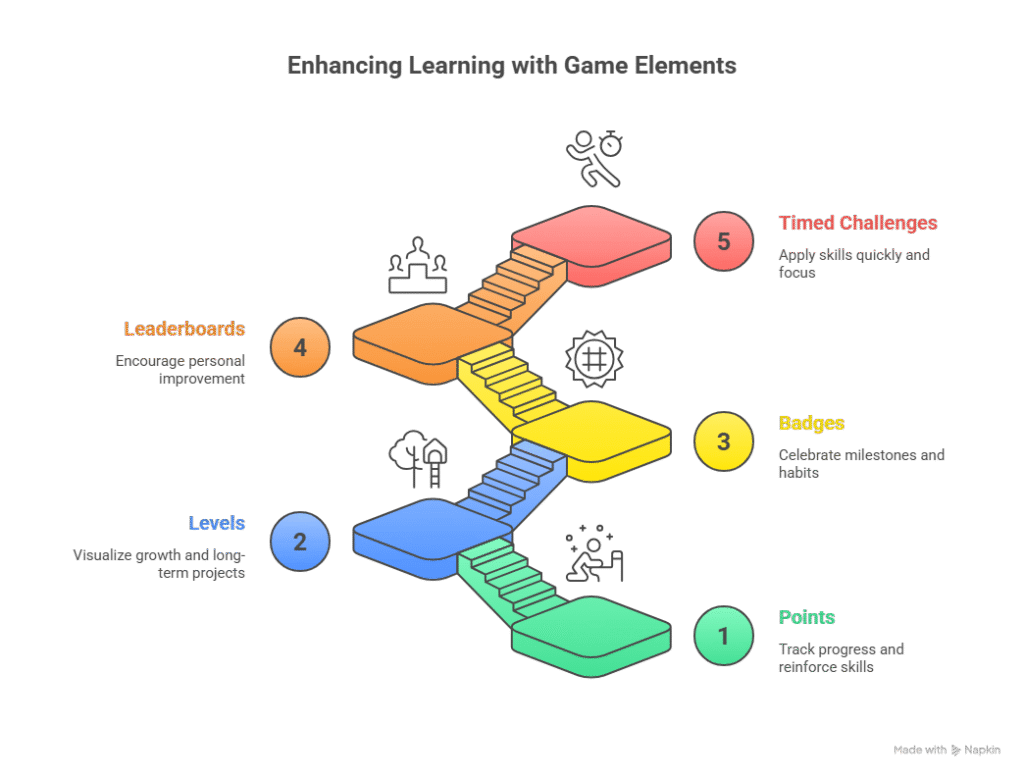
1. Game Elements That Drive Learning
- Points: Useful for tracking progress or mastery rather than compliance. Points should reinforce specific skills or behaviours linked to learning outcomes.
- Levels: Helps students visualize growth. Levels are best used for long-term projects, reading challenges, or skill-based units.
- Badges: Effective for celebrating milestones or habits such as completing drafts, giving peer feedback, or demonstrating empathy.
- Leaderboards: Use sparingly. Shift from competition to personal improvement by showing “personal bests” instead of rank order.
- Timed Challenges: Short, focused bursts that push students to apply skills quickly – exit ticket sprints, vocabulary battles, math minute drills.
2. Low-Prep Gamification Strategies
- Mystery Tasks: Reveal tasks slowly through clues. Works well in inquiry units, language activities, and science labs.
- Ticket to Learn: Students earn “tickets” for showing conceptual understanding. Tickets unlock choice: selecting an activity, partnering with someone, or accessing bonus problems.
- Boss Battles: Convert assessments into collaborative missions. Example: Students “defeat” a boss by solving a set of progressively difficult problems.
- Quest Boards: Create a board with multiple “quests” varying in difficulty. Students choose their learning path while meeting core objectives.
- Classroom Economy: Students earn, save, or spend classroom currency for privileges such as reading corners or group selection. Works best with Year 4 and above.
3. Tech Tools That Work in Indian Classrooms
- Classcraft: For behaviour, teamwork, and SEL. Allows teacher to create quests, class events, and consequences. Works well for middle school.
- Kahoot: Best for quick checks for understanding, vocabulary, or revision.
- Wayward: Self-paced, visually engaging, and ideal for differentiated practice.
- Blooket: Excellent for stations. Students can explore different game modes without the teacher running each round.
- Wheel of Names: Low-tech excitement. Use for random selection, grouping, prompts, or storytelling.
- ClassDojo: Useful for primary grades. Clear reinforcement system and easy for teachers to manage daily routines.
4. Gamified Routines for Daily Classroom Flow
- Entry Challenges: A 3-minute warm-up or puzzle earns students “focus points.”
- Team Table Points: Groups earn points for on-task behaviour, collaboration, or clean-up. Reset weekly to keep motivation fresh.
- Learning Ladders: A visual ladder showing skill progression. Students move their name tags as they master criteria.
- End-of-Day Loot Drop: A quick self-reflection draw where students can win feedback notes, extra reading time, or choice cards.